Raised beds, pots & harvestable vegetables
Good Gardens Start With a Clear Plan.
Simple calculators and practical guides for every step—from filling the bed to harvesting dinner.
- Practical tools for real gardens
- Step-by-step growing guides
- Healthier harvests, happier days
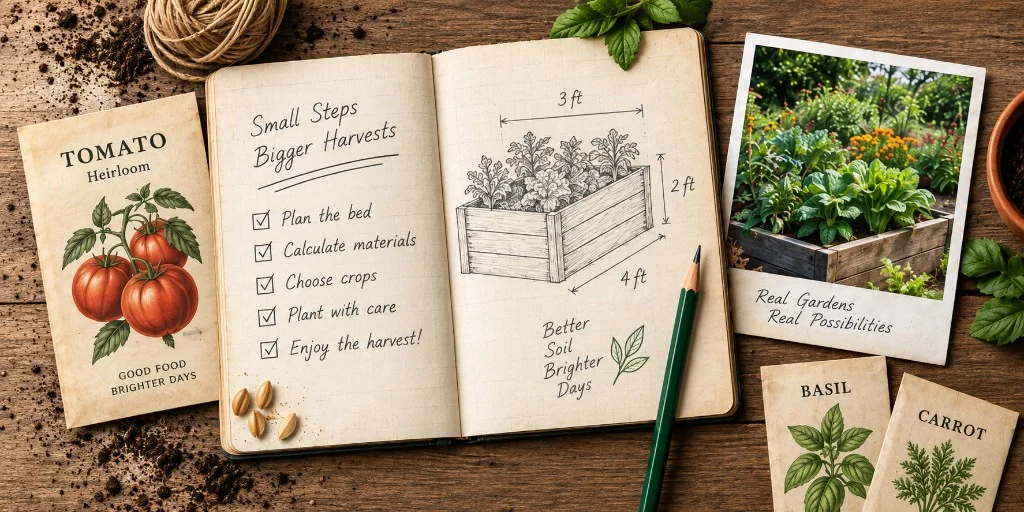
What are you planning today?
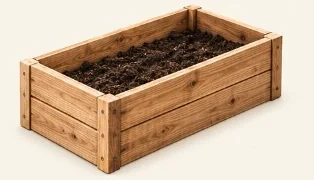 Build a Raised BedSize the frame, estimate soil, and choose a mix before you buy lumber.Start here
 Plant a Vegetable GardenMatch crops to sun, spacing, and harvest timing for a backyard bed.Start here
 Solve a Garden ProblemIdentify pests, watering issues, and common plant problems with photos.Start here
Popular garden calculators
Get cubic yards, bag counts, and plant counts without a spreadsheet.
 ToolRaised bed soilCalculate how much soil a raised bed needs in cubic feet, cubic yards, and bags.Open calculator
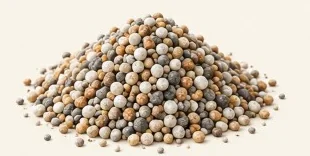 ToolFertilizerPick a crop and see whether to shop for higher nitrogen, phosphorus, potassium, or a balanced bag.Open calculator
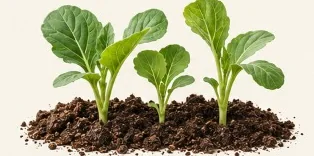 ToolPlant spacingPick a crop and a bed size. See how many plants fit at a practical spacing — you do not enter inches.Open calculator
Latest gardening guides
Short answers with measurements and worked examples — not a blog feed.
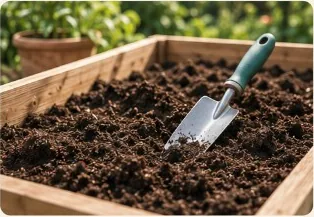 GuideHow Deep Should a Raised Bed Be?Practical soil-depth ranges for raised vegetable beds, including tomatoes, carrots, lettuce, and mixed plantings.
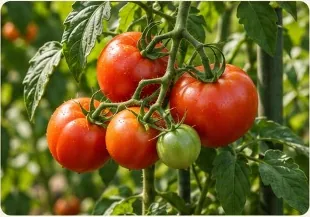 GuideHow Far Apart to Plant TomatoesTomato spacing for determinate and indeterminate plants in raised beds, including cages, pruning, and square-foot layouts.
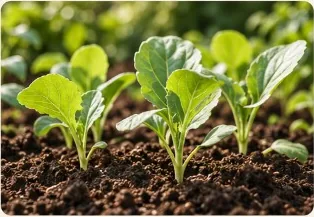 GuideWhen to Transplant SeedlingsHardening off, frost dates, and soil temperature cues for moving vegetable seedlings into raised beds and pots.
Fall garden projects
Clear finished beds, handle seasonal pruning, and move leaves, compost, and soil before the next planting.
Raised bed gardening
Depth, soil volume, mixes, and whether a frame is worth it compared with in-ground rows.
Vegetable gardening
Crop pages with spacing, sun, water, and harvest timing — tomatoes, peppers, beans, kale, onions, herbs, and more.
Container gardening
Plastic, ceramic, and fabric pots in 1, 3, 5, 7, and 10 gallons — plus which vegetables fit each size.
Soil & compost
What to put in the box, how much compost to top-dress, and how to read a soil bag.
Watering
Raised beds dry faster than in-ground soil. Schedule from soil moisture, crop, and weather — not a gallon formula.
Seeds & seed starting
Seed starting, germination, and transplanting — when to start indoors and how to harden off.
Garden tools
Pruners, trellis, garden carts, hoses, and drip gear — what to look for, not ranked brand lists.
Pest & plant problems
Photos, controls, and product types for common garden pests — plus blossom-end rot.
Buying guides
How to choose soil, frames, watering gear, and tools — specs and trade-offs, not ranked brand lists.
Why this site exists
Most gardening articles bury the number you actually need — cubic yards of soil, plants in a 4×8 bed, fertilizer ounces — inside a story. HarvestBench is a utility for food gardens: calculators first, then the guides that explain when those numbers break. It is written for US homeowners growing vegetables they can harvest, not as a personal blog.